The Bakken Museum: a Unique Minneapolis Experience
This post may contain affiliate links, which means we may receive a commission if you click a link and purchase something we have recommended. Please see our disclosure policy for details. Thank you for your support!
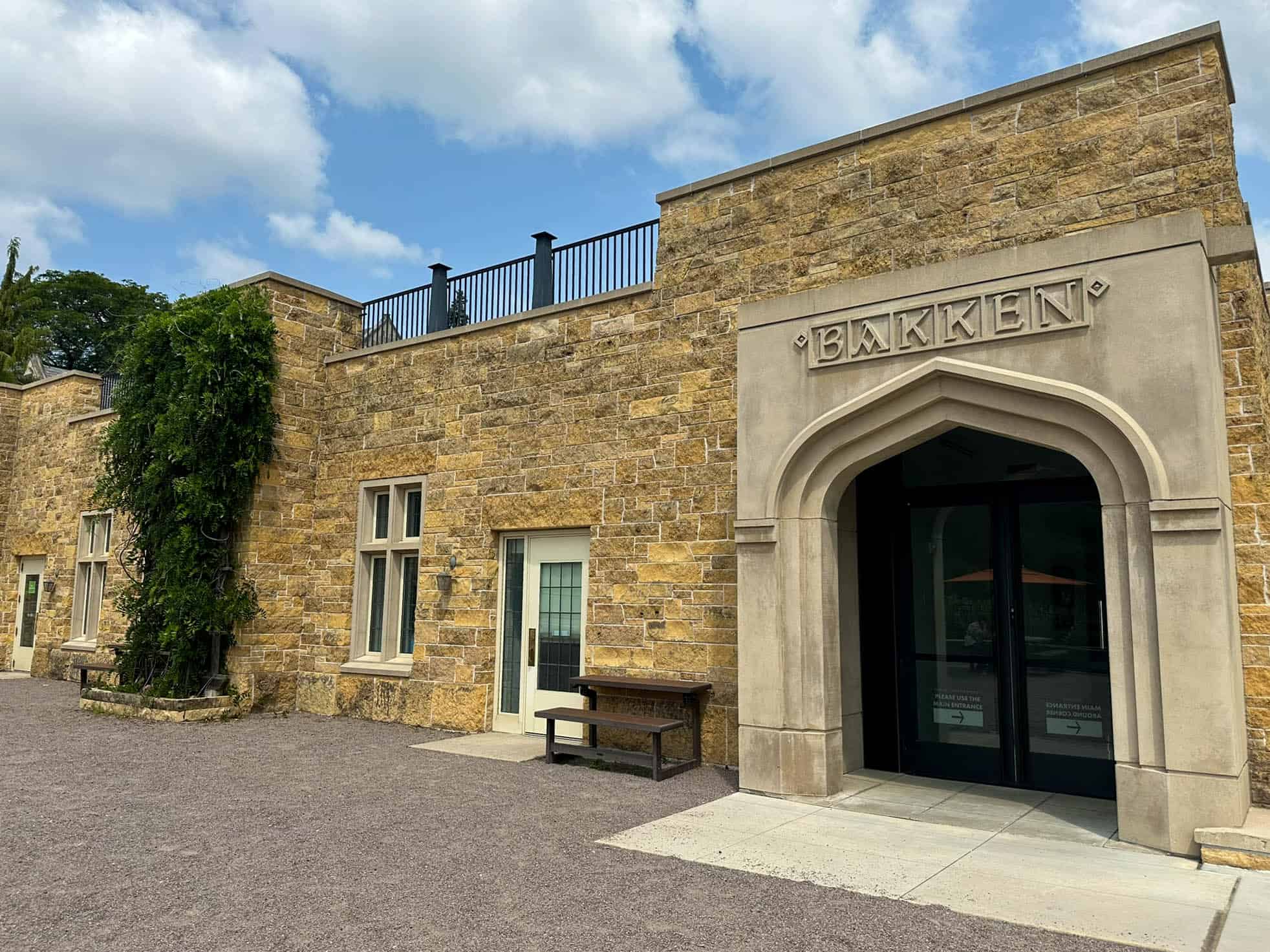
We made plans to visit the Bakken Museum mostly because it was the only museum open on a random Tuesday. We didn’t know what to expect, but now that we have, we can see why it’s popular and should be on your radar.
We visited the Bakken Museum as part of a birthday day out with my niece. We found some new-to-us things to do in Minneapolis. Our day included lunch at Babas, exploring The Bakken, some thrift shopping, donuts at Glam Doll, more thrifting, dinner at Hai Hai, and dessert at Mrs. Dessert & Kumpir. A girl after my own heart!!
Visiting The Bakken was an unexpected delight on a pretty great Minneapolis day, and it turned out to be more interesting than we expected. From the historic mansion to the interactive exhibits, we found more than we expected in a science museum. We’re glad we went, and we think you will be too if you’re looking for unique museums in Minneapolis.
What is the Bakken Museum?
Great question, and one we had as well. The Bakken was founded in 1975 and is named after Earl Bakken, who co-founded Medtronic, a Minnesota company! He also invented the first external, battery-powered wearable pacemaker, inspired by Frankenstein and electricity.
The connection between electricity, technology, medicine, and even Frankenstein is really the thread that ties this museum visit together. Once you know a little of Earl Bakken’s story, the exhibits begin to make more sense.
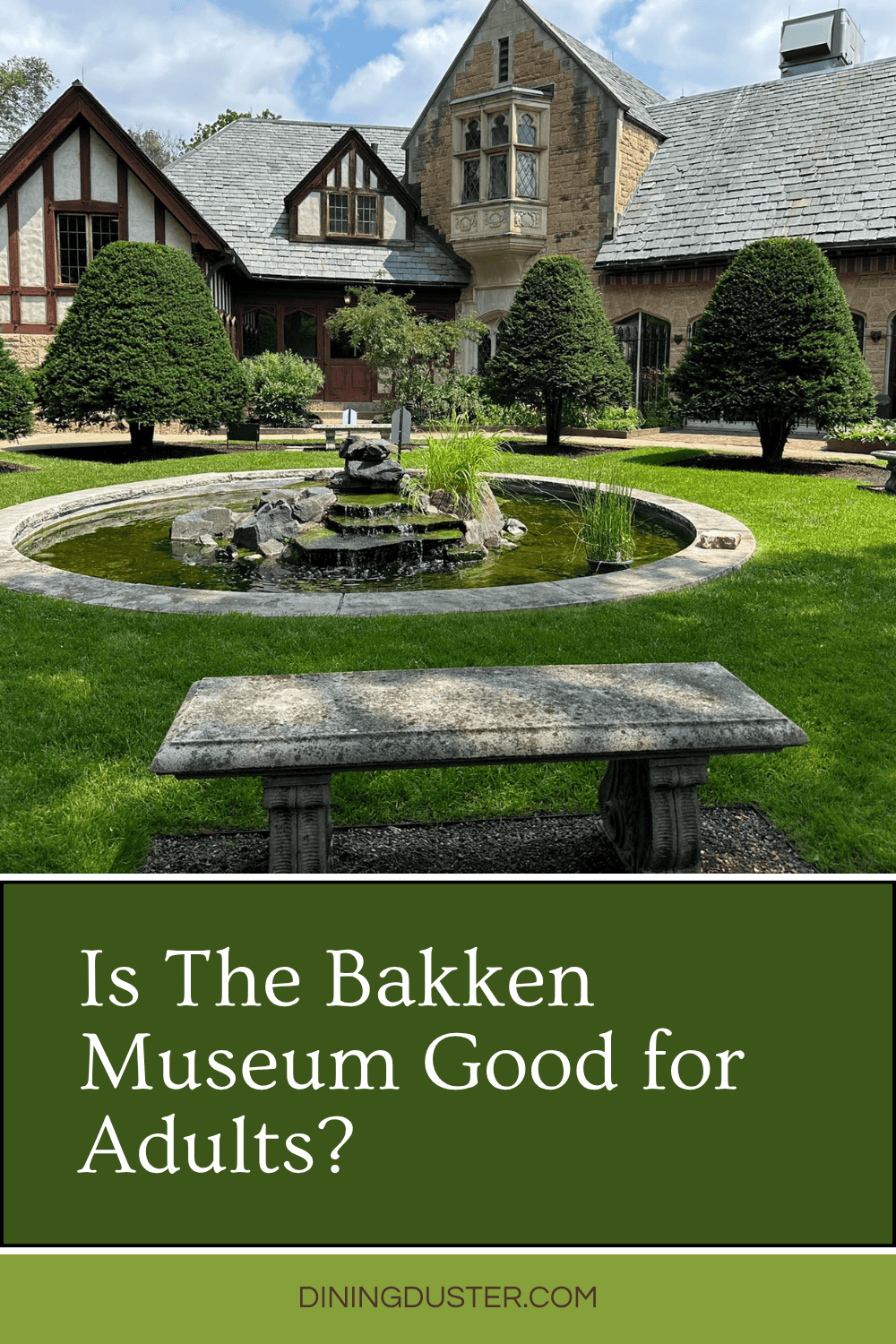
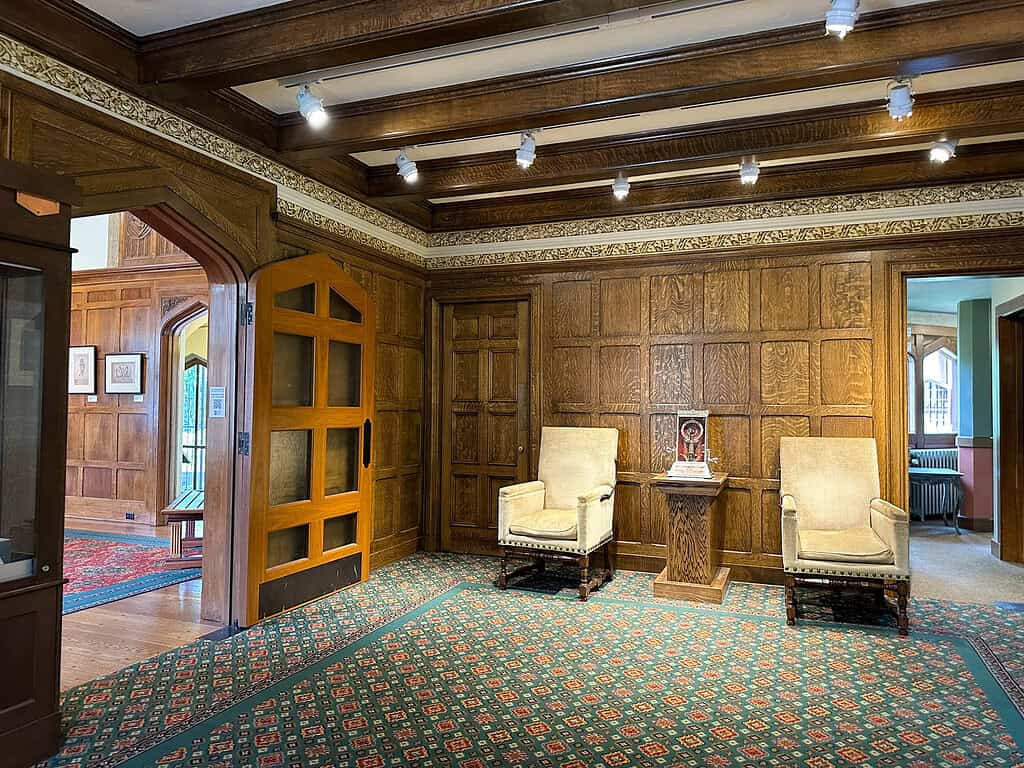
Another big reason The Bakken Museum is different from most science museums is that part of it is housed in a historic mansion overlooking Bde Maka Ska.
What Makes The Bakken Museum Different?
Before we get into the individual exhibits, this museum has four main elements that make The Bakken stand out from a traditional science museum.
A Historic Mansion With a Story of Its Own
I’m always intrigued by the history of a mansion- who were the original owners, and what did they do for money? When I learned that our museum visit included a historic mansion, I was excited, but I had questions.
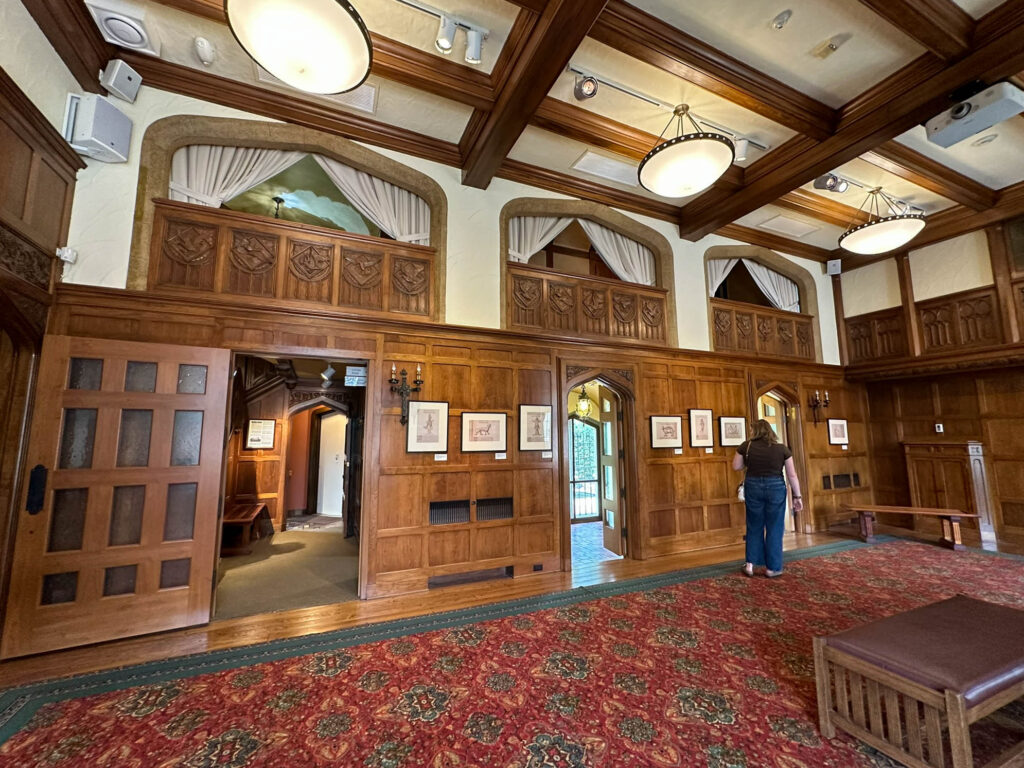
That’s because part of the museum occupies the historic West Winds Mansion, which is part of the experience.
If you’re reading this and from Minnesota, you may remember Dayton’s Department Store. William Goodfellow had a dry goods store that he sold to the Dayton family. And if Goodfellow sounds familiar, the Goodfellow clothing line is a Target brand.
It’s said that Goodfellow built West Winds Mansion to win over a lady he hoped to marry, since he was very budget-minded and wanted to woo her with this gesture. He spent $350,000 on this 15-room mansion to prove that he wasn’t stingy or frugal. This Gothic-Tudor-style house has fun design elements throughout the mansion tour.
The mansion includes a sunroom with a Medicinal Garden; keep reading to learn more about that exhibit, but Goodfellow died before he could complete it. After his death in 1946, West Winds was deeded to the Girl Scouts of America and had two more owners before Earl Bakken purchased it in 1976.
The architectural details are fascinating, and you can read more about it and even take an audio tour of West Winds Mansion.
Fun fact: the building is constructed of Kasota limestone. During a remodel in the 1990s, they used limestone from the exact same quarry used in the 1920s. Kasota is a nearby town where we reside in Mankato.
Look for the copper drainpipe on the terrace, a material often used in luxury estates at the time, and notice the views of Bde Maka Ska (formerly known as Lake Calhoun). The view used to be blocked by trees, as Goodfellow thought he could lower property taxes if he didn’t have a lake view.
Interactive Science- A STEM Experience
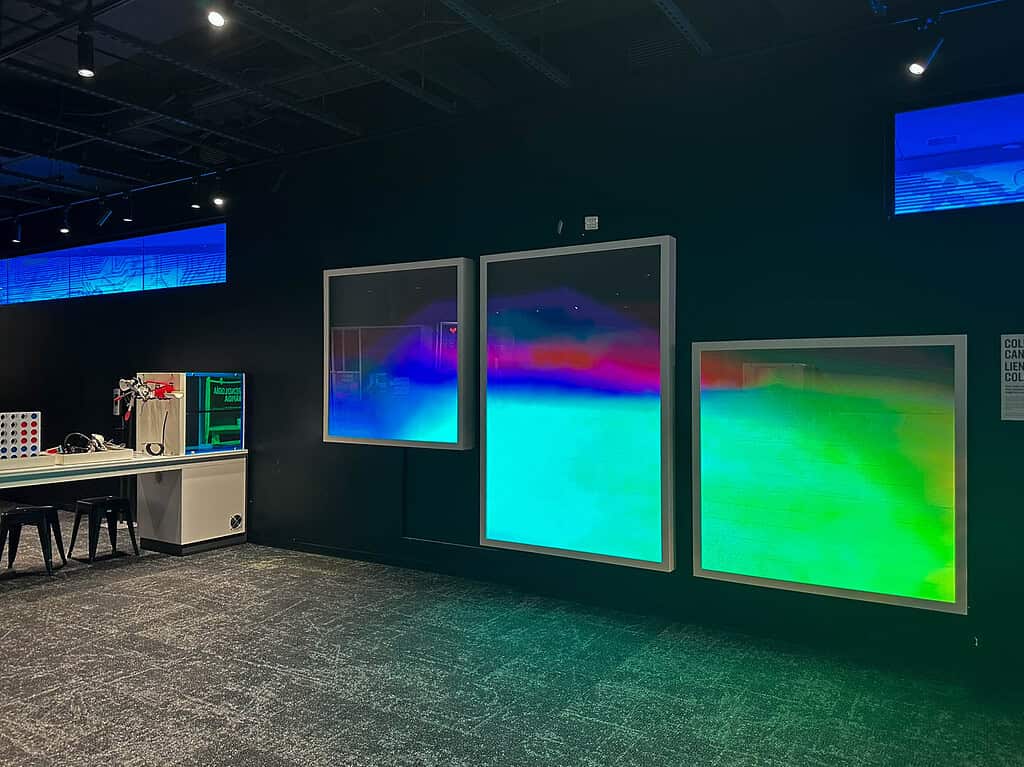
I’ll be honest, Dusty and I are old enough that STEM education came along long after we went through high school, so although I’d heard of the term, I didn’t really know what it meant.
Turns out STEM education combines science, technology, engineering, and mathematics using hands-on learning.
The exhibits were really cool, and they were definitely hands-on, which made learning fun, which is the whole point, right? As a journalism major in college, these topics weren’t my strong suit, so it was fun to see these programs firsthand and understand why they’re so engaging.
It was neat to see everyone enjoying themselves- from little kids to grandparents; everyone we passed was drawn to a different experiment.
Frankenstein and Mary Shelley
This was a really cool immersive exhibit, and a surprise for us. We didn’t expect Frankenstein to play such a role in this science museum, but The Bakken makes a fascinating connection between Mary Shelley’s famous novel, electricity, and the history of scientific discovery.
Mary Shelley’s Frankenstein is often considered one of the earliest science fiction novels; she wrote it at just 18, and the museum explores the science, culture, and ideas that influenced her work.
Frankenstein inspired Bakken’s fascination with the connection between electricity and medicine.
This part of the museum really resonated with Morgan because Frankenstein was a high school English read that was fresh in her memory.
There is an immersive object theater where you literally sit inside and watch a 10-minute show that brings Frankenstein to life, telling the tale of a mad scientist haunted by a creation and experiment that may have gone too far.
Gardens and Grounds
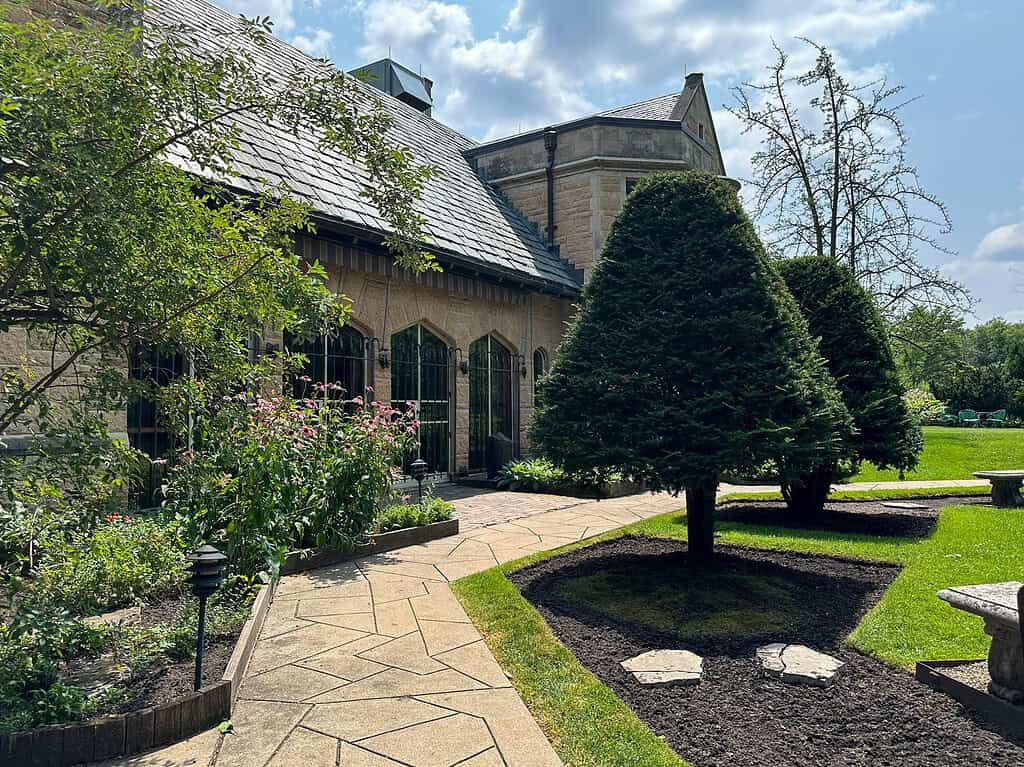
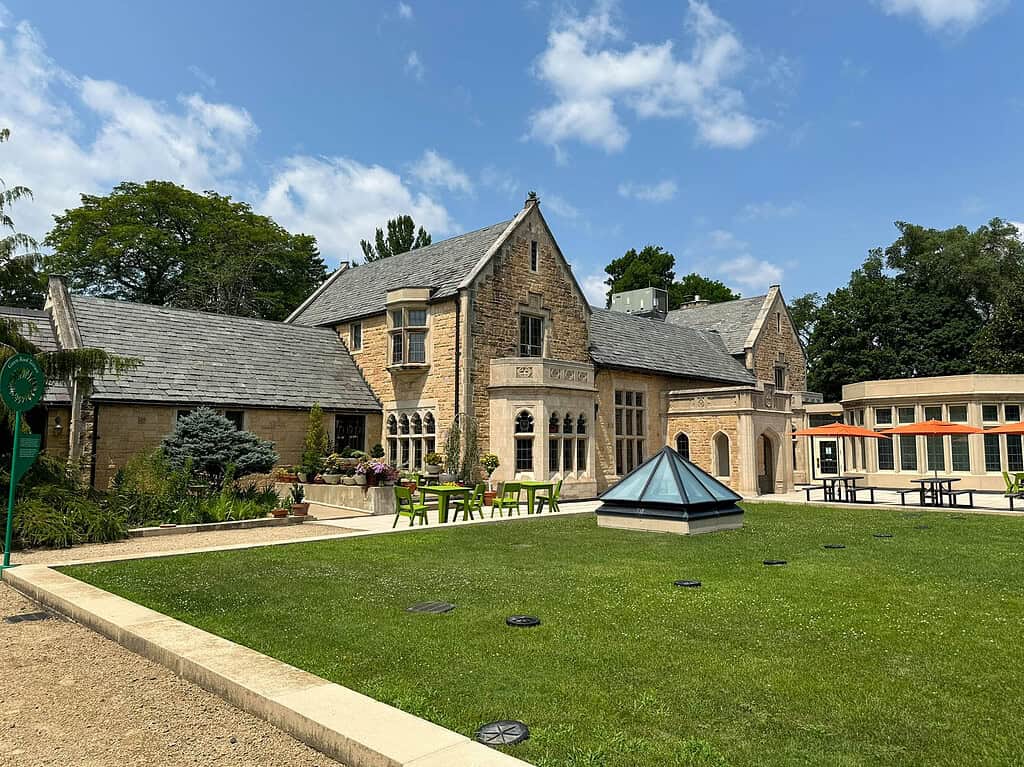
The Bakken Campus includes three acres of beautifully maintained gardens and grounds, as well as a green roof garden, and it was my favorite part of the tour.
The gardens also connect with some of the museum’s themes around plants, medicine, sustainability, and the natural world.
If you visit, the grounds are definitely worth visiting- don’t think the experience ends when you leave the exhibits!
Things to See and Do at The Bakken Museum
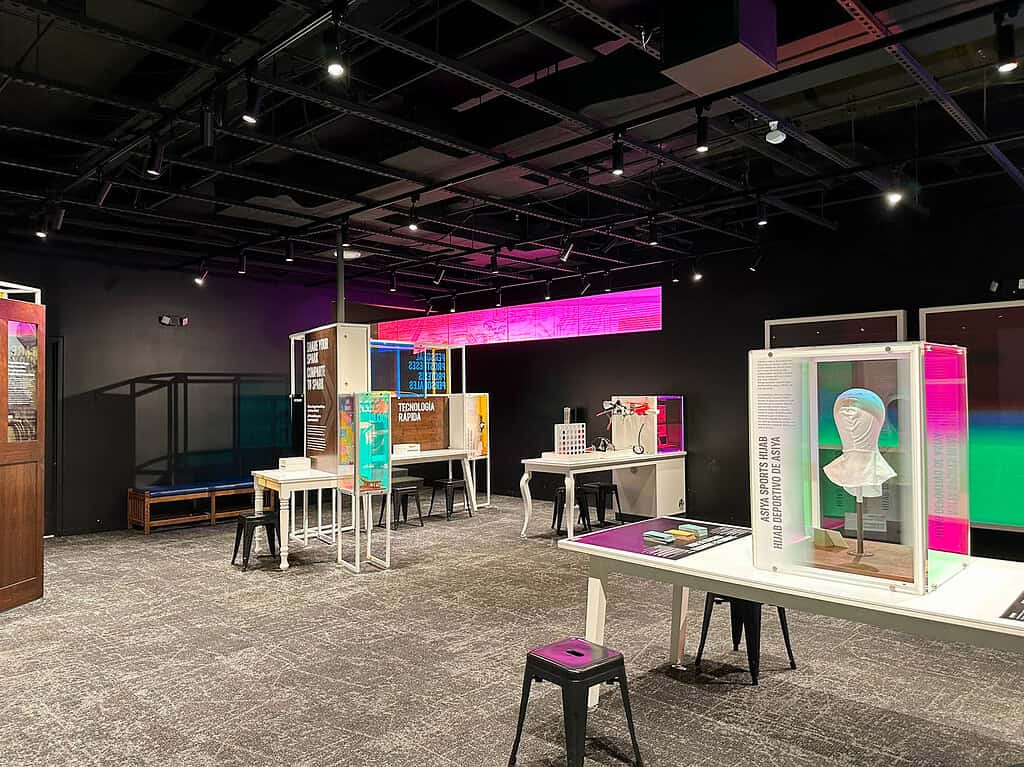
As you explore the museum, you’ll find a mix of interactive exhibits, historical stories, and genuinely unexpected experiences.
Here are a few things we enjoyed the most.
Explore Spark
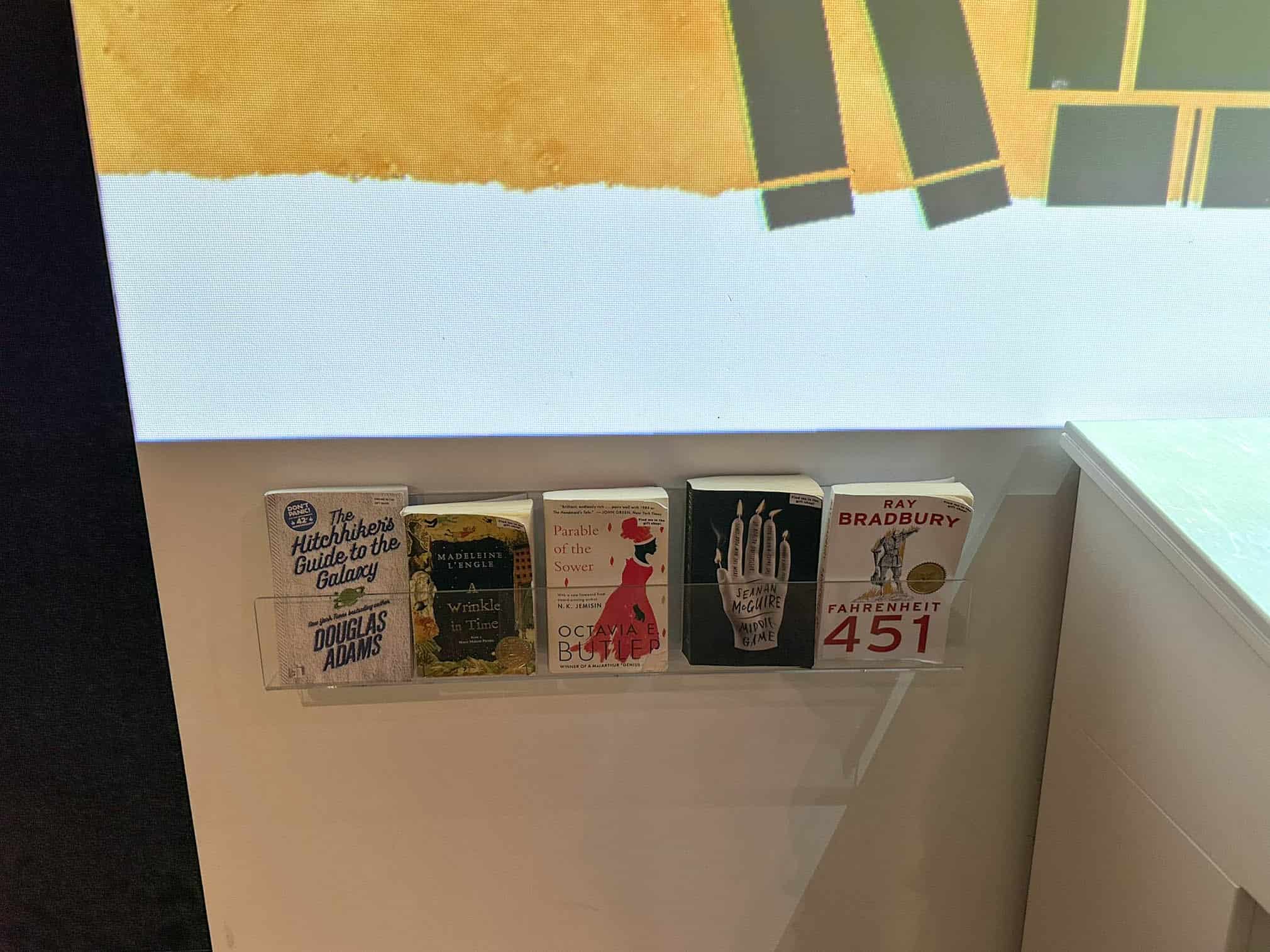
This is the museum’s main interactive exhibit, and it is where it gets really hands-on.
Morgan was especially drawn to the Magic Book interactive display, which allows visitors to physically turn oversized pages to bring scenes from famous science fiction literature to life in a wall-sized way.
During our visit, the books included:
Fahrenheit 451 by Ray Bradbury, Parable of the Sower by Octavia E. Butler, The Hitchhiker’s Guide to the Galaxy by Douglas Adams, 20,000 Leagues Under the Sea by Jules Verne, and of course, Frankenstein by Mary Shelley
The Magic Book is a great example of what makes The Bakken fun. You’re learning about technology and science, but it doesn’t feel like learning.
Step into The Bakken Booth
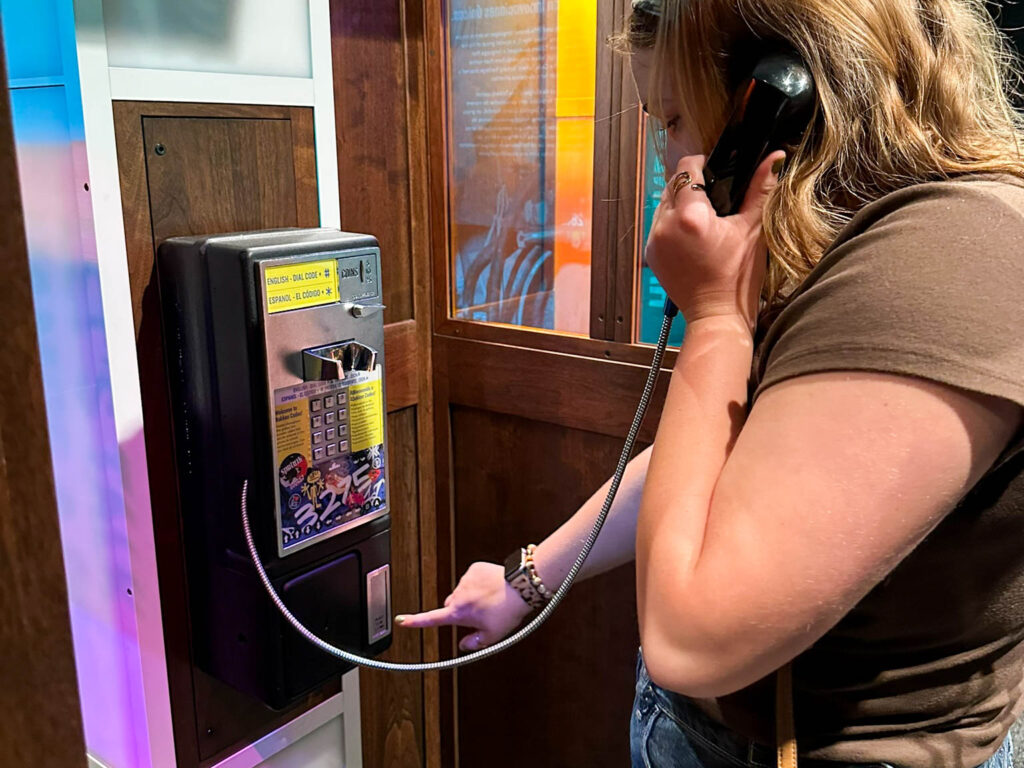
This phone booth is fun, especially for younger visitors who have never seen one, and it shows how communication has changed over time. It’s also nostalgic for us older visitors to step into the phone booth.
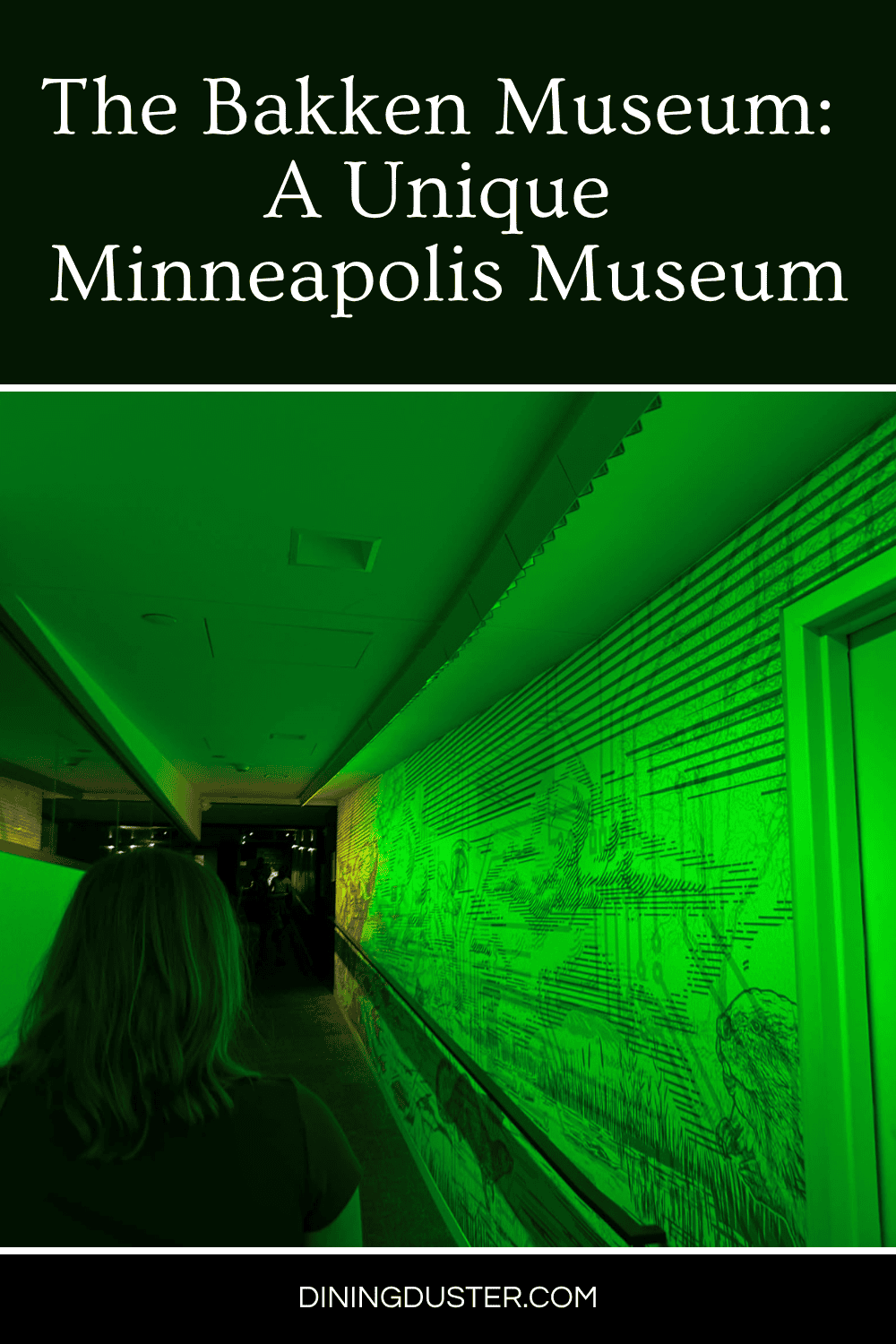
The Color-Changing Hallway/Ramp
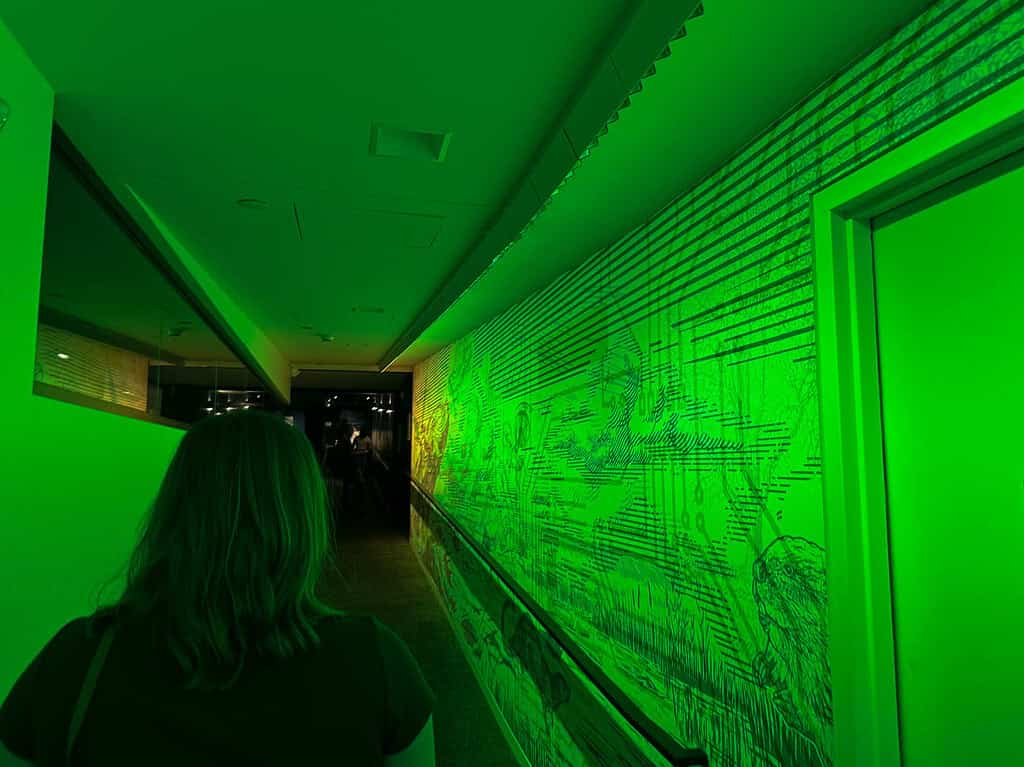
I really meant it when I said science is everywhere in this museum, including the Hallway.
This corridor leads into a mural that changes color as you’re walking through. As the lights shift, hidden images and patterns illustrate how perspective and inspiration change what you do.
It’s kind of wild to walk through, and you should do it several times and watch the changes, but it also makes you reflect on perspective.
Get Shocked at Ben Franklin’s Electricity Party
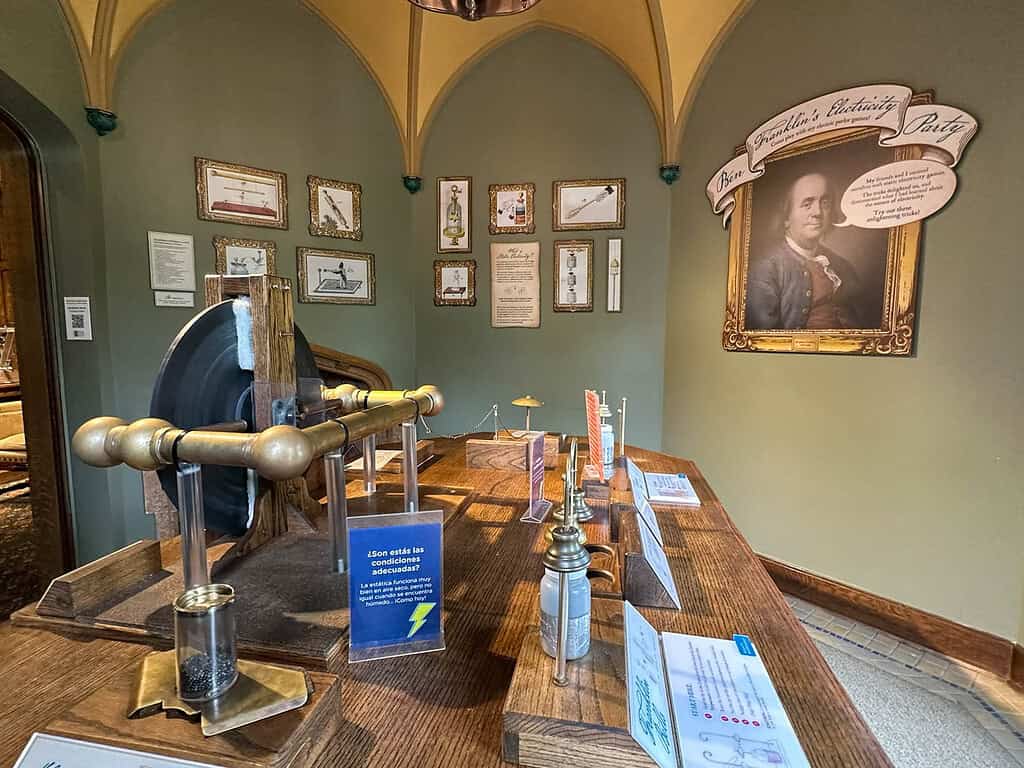
This is super fun.
Visitors can literally make their hair stand on end by intentionally creating static electricity by cranking an electrostatic generator.
This area is designed like an 18th-century parlor, similar to the “electricity party” that Benjamin Franklin and other early researchers hosted.
This exhibit shows how static electricity works and how early scientists captured and stored electrical energy.
Step into Mary & Her Monster
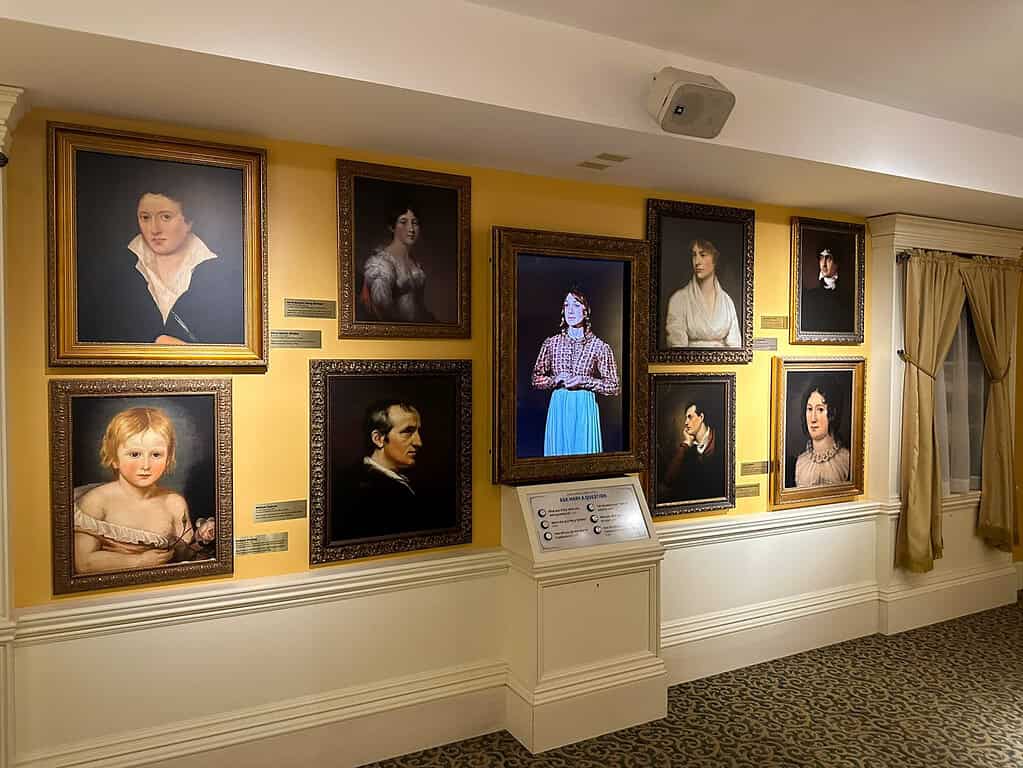
Several artifacts, puzzles, and sound-enabled portraits explore the culture and ideas that influenced 18-year-old Mary Shelley to write Frankenstein.
It’s fun and definitely worth walking through.
I don’t think either of us expected to learn so much about Mary Shelley or Frankenstein when we picked this museum to visit.
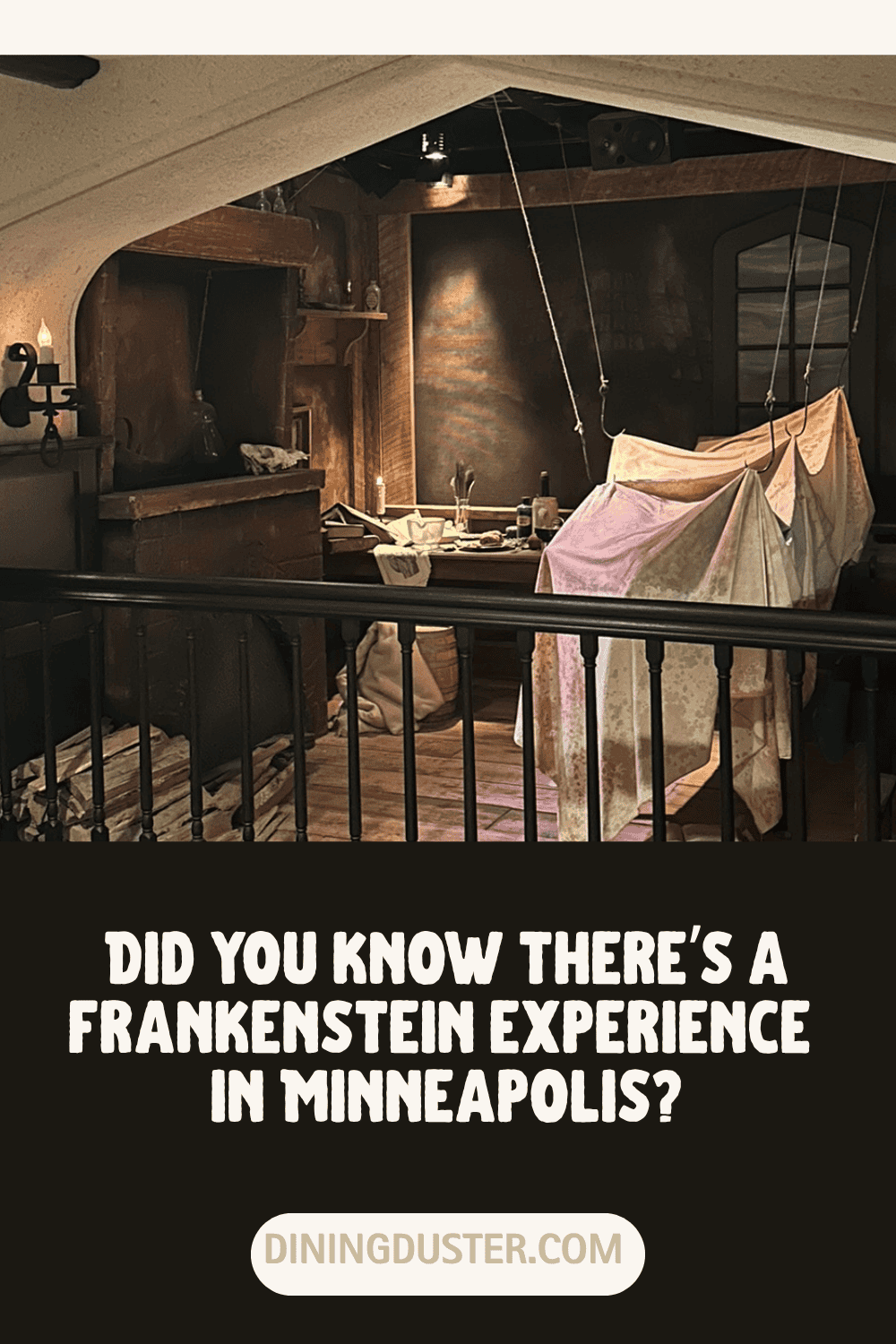
Experience Frankenstein’s Laboratory
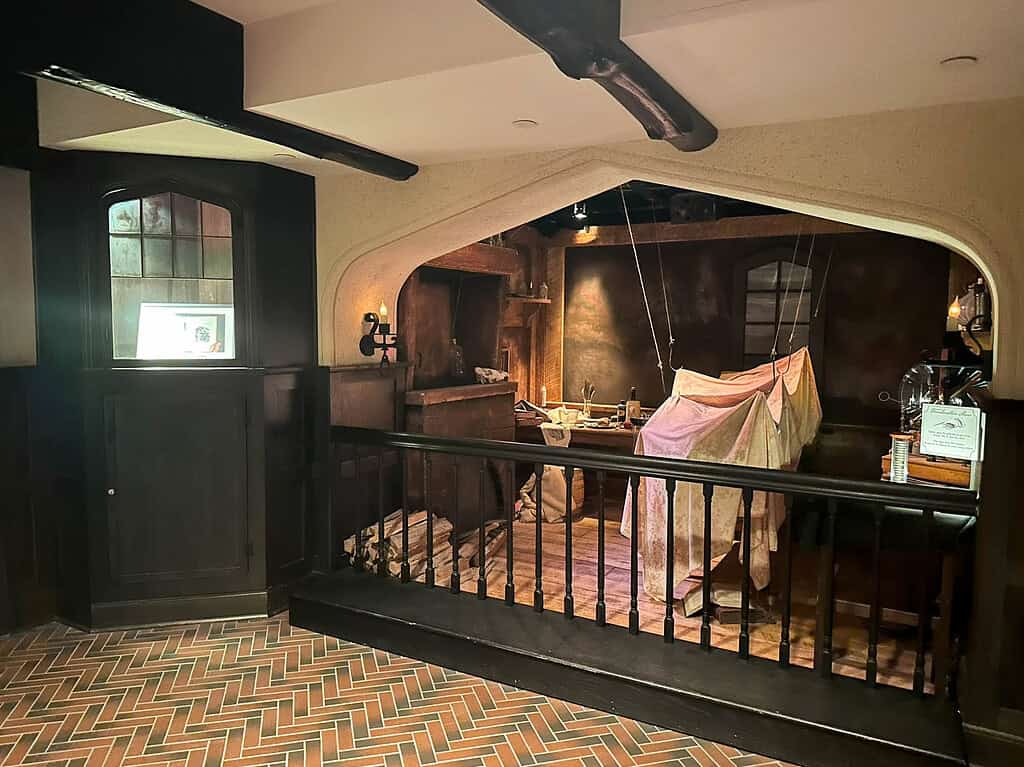
This was probably our favorite exhibit in The Bakken.
You walk into a small theatre room, grab a seat, and take in a 10-minute immersive presentation. You quite literally sit inside Frankenstein’s laboratory while the story unfolds around you.
There’s a button to push to start the presentation, so you can join one already in progress and stay to watch it again if you want to catch the whole story.
We enjoyed this presentation, and it even made us jump, since we weren’t expecting some of the theatrical elements.
Deep Roots: Plants as Medicine Exhibit
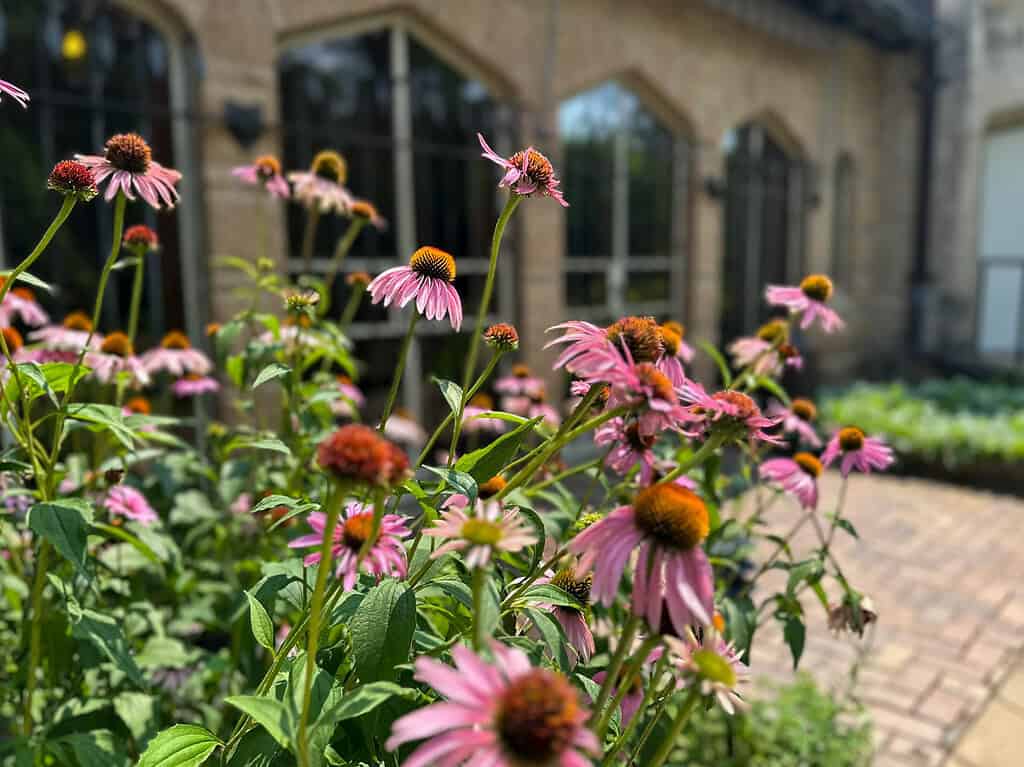
As you wind through the museum, this exhibit fills the space as you continue on to the gardens, but it’s one we were especially drawn to.
Dusty, Morgan, and I are all plant-based/vegan. So this exhibit reinforced what we already know about plants as medicine, and it was fun to see this topic presented here.
The Deep Roots experience includes several garden areas:
- Florence Bakken Medicinal Garden, inspired by medieval European physic gardens, explores past, present, and possible future use of plants as medicine.
- Green Roof Garden, a walkable roof that also helps filter rainwater. We especially enjoyed the succulent pots in this space.
- Dakota Native Plants Garden, lots of restored wetland areas that are home to local flora and fauna to explore
- Healthy Heart Organic Garden, a summer vegetable garden and compost area that helps keep all the museum’s gardens green and growing
If you enjoy gardens, plants, or sustainability, I would definitely make time for this part of the museum. You may also enjoy our visit to the Como Park Conservatory, another great place to explore plants and gardens in the Twin Cities.
Will Adults Like the Bakken Museum?
Absolutely!
For us personally, a fifty-something and a newly minted 21-year-old, we enjoyed learning without feeling like we were learning. Most people probably learn best that way.
The medical technology is fascinating and will likely resonate with adults, as will the historic mansion, architecture, gardens, and stories behind the exhibits.
Kids will love Frankenstein, unusual artifacts, and all the interactive exhibits. Adults will love the historic mansion and the various gardens.
We saw grandparents enjoying themselves as much as their grandchildren, all being drawn to a different exhibit.
How Long Do You Need at the Bakken Museum
We spent about 1.5 hours, which included breezing by some of the busy exhibits and spending time in quieter areas of the museum.
If you want to take your time with the interactive exhibits, explore the mansion, and spend time in the gardens, I’d allow more time.
The museum is also small enough that you don’t have to dedicate an entire day to visit, which makes it an easy addition to a bigger Minneapolis itinerary.
Our Tips for Visiting the Bakken Museum
- Allow at least 1.5- 2 hours. We spent about 1.5 hours, but you could easily spend longer if you want to explore everything.
- Don’t skip the mansion. The historic building is part of what makes The Bakken different from other museums. Look for all the Gothic Revival elements.
- Leave time for the gardens and outdoor exploration. They’re easy to overlook if you’re focused on the indoor exhibits.
- Don’t miss the Frankenstein experiences if you’re interested in Mary Shelley or unusual museum exhibits.
- Expect a mix of ages. The hands-on exhibits are obviously popular with kids, but we found plenty for adults to enjoy, too.
- Check the museum’s current information before visiting. Hours, admission, exhibits, and special programming can change.
Make The Bakken Part of a Minneapolis Day
I visited The Bakken Museum as part of a birthday day out with my niece, and it became an unexpected highlight.
We started with lunch at Babas, explored The Bakken, squeezed in some thrifting and donuts at Glam Doll, did a little more thrift shopping, then finished the day with dinner at Hai Hai and dessert at Mrs. Dessert & Kumpir. It was a full day of fun!
If you’re a museum person, you might also enjoy the Museum of Russian Art, which features an impressive collection of Russian art and cultural history. It’s set in a historic, renovated Spanish Colonial Revival church.
Another Minneapolis museum worth adding to your list is the Minneapolis Institute of Art.
The Bakken Museum
- Address: 3537 Zenith Avenue South, Minneapolis, MN 55416
- Hours: Tuesday-Saturday 10 am – 4 pm; Second Thursday 10 am – 6:30 pm
- Parking: Free! We parked alongside, opposite the parking lot
- Admission: (As of 2026) Adults $14, Seniors 65+ $12, Students $11, Children 4-17 $10, Children 3 and under: free; members are free.
- If you’re planning your own visit, review The Bakken Museum website to plan your visit.
Is the Bakken Museum Worth Visiting?
Yes, especially if you enjoy unusual museums and historic buildings.
We went to the Bakken Museum because it was the one museum open on a random Tuesday when Morgan and I could get together. We left the museum glad we got to explore it.
I particularly enjoyed the mansion and gardens, while Morgan enjoyed the books at the Spark and Frankenstein exhibits, and we both enjoyed the science experiments in between. This is a unique museum in Minneapolis and a great way to spend a few hours if you’re looking for something fun.
Plan Your Trip To The Bakken